
The Shift Towards Regenerative Aesthetic Treatments
Over the last few years, there’s been a really noticeable shift happening within aesthetics.
Consultations that once focused heavily on quick fixes and noticeable results are now becoming much more focused on skin quality, collagen stimulation and skin health.
As a result, regenerative aesthetic treatments are becoming one of the fastest-growing areas within the industry. And it’s not just something practitioners are noticing in clinic either. The regenerative aesthetics market is expected to grow by 11.2% worldwide as patient demand continues shifting towards natural-looking, long-term results.
For practitioners, this shift is important to understand. Regenerative aesthetics is no longer just a trend - it’s becoming a much bigger part of modern aesthetic practice.

What Are Regenerative Aesthetic Treatments?
Regenerative aesthetic treatments like Polynucleotides, Skin Boosters, Microneedling and Exosomes focus on improving skin quality and supporting the skin’s natural repair processes, rather than masking concerns or replacing lost volume.
Traditionally, aesthetic treatments focused much more on correction. Regenerative treatments work a little differently. Instead, they focus on stimulating collagen production, improving hydration, supporting tissue repair and strengthening the skin over time.
Now, the conversation has shifted from “How can I look different?” to “How can I improve my skin?”. That’s a big change.
Why Patients Are Moving Towards Regenerative Aesthetic Treatments
There are a few reasons why regenerative aesthetic treatments are becoming so popular.
One of the biggest is that patients are more educated than they were even a few years ago. Social media has completely changed how people view aesthetics. Many patients now arrive at consultations already aware of concepts like collagen stimulation, skin longevity and preventative ageing.
Terms like “collagen banking”, “skin quality” and “undetectable aesthetics” are becoming much more common in clinic conversations.
At the same time, beauty trends have shifted away from overly dramatic results. Patients often want to look fresher, healthier and more rested rather than obviously treated. They’re becoming much more interested in treatments that work with the skin rather than simply changing facial structure or replacing volume.
There’s also been a wider shift towards long-term treatment planning. Patients are more aware that healthy skin usually comes from consistency and skin function, not just one-off treatments.
Because of that, treatments focused on regeneration and skin quality naturally fit much better into modern patient goals.
The Influence Of Social Media and Patient Education
Social media has definitely played a huge role in the rise of regenerative aesthetics.
Patients now have access to huge amounts of information around skin health, ageing and aesthetic treatments. While that can sometimes create misinformation and trend-led treatments, it’s also made patients much more aware of the importance of skin quality and prevention.
A lot of patients are now specifically asking for regenerative aesthetic treatments after hearing about them online, particularly treatments like Polynucleotides.
At the same time, patients are becoming more cautious about looking 'overdone'.
Natural-looking aesthetics has become a huge focus across the industry, and regenerative treatments fit really well into that approach because results tend to be gradual, subtle and focused on overall skin quality.
This is exactly why practitioner education matters so much. As regenerative treatments continue growing in popularity, practitioners need to understand not just how to perform them, but why clients are choosing them, how treatments can be combined safely and who is a suitable candidate.
Why Practitioner Knowledge Matters More Than Ever
This shift means that the role of the practitioner is changing too.
Patients want a practitioner who understands skin health properly, can explain why they’re recommending certain treatments and can build a treatment plan around long-term results.
That’s part of the reason regenerative treatments require a slightly different approach from traditional injectable treatments alone.
Treatments focused on skin quality often rely on a deeper understanding of things like skin physiology, wound healing, inflammation and collagen stimulation. Results are usually more gradual too, which means consultations and patient education become a huge part of the process.
Patients are also moving away from “one treatment fits all” approaches. They’re looking for personalised plans and more honest conversations around what’s actually suitable for their skin, lifestyle and goals.
In many ways, aesthetics is becoming much more focused on overall skin health rather than just treating individual concerns. And the practitioners leading the industry forward are usually the ones combining strong technical skills with a genuine understanding of long-term patient outcomes.
Regenerative Aesthetics Training With Skin Masters
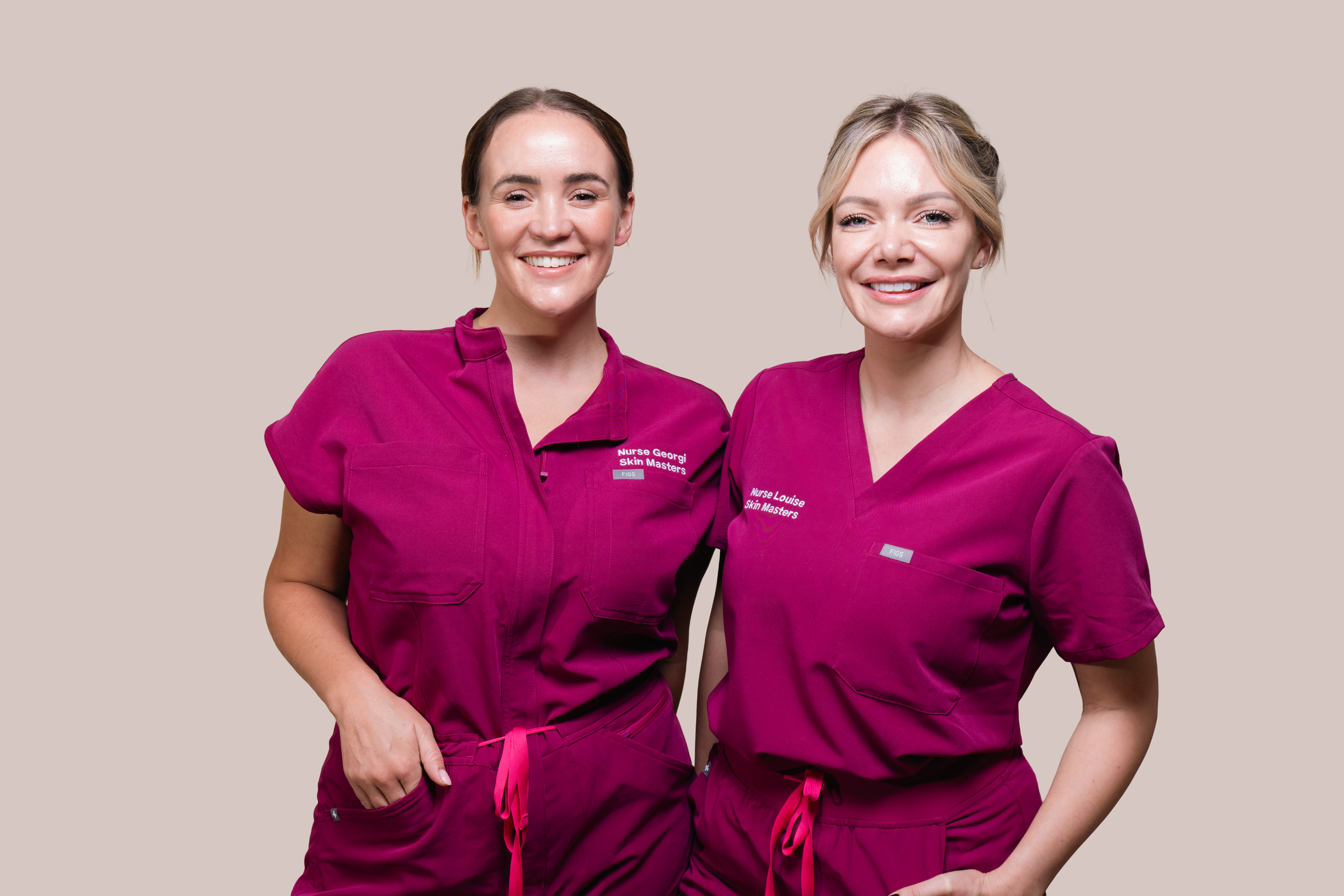
At Skin Masters, our training is designed for medical professionals who want to build confidence not just in performing treatments, but in understanding the science and treatment planning behind them too.
Our regenerative aesthetics masterclasses cover treatments likePolynucleotides, Skin Boosters, Microneedling and combination skin rejuvenation therapies.
All training is nurse-led and focused heavily on practical, hands-on experience in a real clinical environment.
Regenerative aesthetics is moving quickly, and patients are becoming more aware of skin quality, prevention and natural-looking results. Our goal at Skin Masters is to help practitioners feel confident, knowledgeable and clinically safe as the industry continues evolving.
If you’re looking for regenerative aesthetics training near you and would like to find out more about more, contact us today.



Comments