
How Do I Find The Best Aesthetics Training Courses Near Me?
If you’re an aesthetics practitioner looking to develop your skills further, you’ve probably found yourself searching “aesthetics training near me” at some point. With so many training providers across the UK, it can be difficult to know which courses are actually worth your time and which ones will genuinely help you progress as a practitioner.
At this stage in your career, training isn’t just about learning a new treatment. It’s about refining your technique, improving your clinical decision-making and feeling more confident managing patients and complications. Here's what you should look out for when you're looking to improve those skills.

Why Choosing The Right Aesthetics Training Course Matters
Once you’ve completed your foundation training, the next stage is usually where practitioners start to develop their own style, improve their results and move into more advanced treatment areas. This is also the stage where many practitioners realise that aesthetics is as much about assessment and decision-making as it is about injecting.
Short, large-group courses can sometimes leave practitioners feeling like they’ve learned a new area, but not necessarily that they feel confident treating it in their own clinic. This is why many people start looking for aesthetics training that offers smaller groups, more hands-on experience and ongoing support after the course.
Good training at this stage should help you understand the “why” behind treatments - why you’re choosing a certain dose, why you’re treating a certain muscle, and when not to treat. That level of understanding is what helps you become a safer and more confident practitioner.
UK Regulations and Why They Matter
In the UK, aesthetics is still a largely unregulated industry, but that is starting to change. Following the Health and Care Act 2022, the government announced plans to introduce a national licensing scheme for non-surgical cosmetic procedures in England. This means that practitioners will need to be properly trained and qualified to carry out certain aesthetic treatments.
In addition, the Joint Council for Cosmetic Practitioners (JCCP) and the Cosmetic Practice Standards Authority (CPSA) have already set out guidelines around training standards, patient safety and practitioner competence. Many insurance companies are also becoming stricter about who they will insure and what level of training is required, particularly for more advanced treatments.
What this means in practice is that choosing reputable, medically-led training is becoming more important, not less. When you’re searching for "aesthetics training near me", it’s worth checking that the training is designed for medical professionals, includes complications management and is delivered in a proper clinical setting.
Training shouldn’t just teach you how to perform a treatment - it should help you understand how to practice safely within UK guidelines and within your professional scope.
What To Look For In A Reputable Aesthetics Training Course
If you’re comparing different aesthetics training courses near you, there are a few key things that make a big difference, especially once you’ve already completed your basic training.
Hands On Training
Aesthetics is a practical skill, so hands-on experience is one of the most important parts of any course. Watching demonstrations is helpful, but it’s very different from assessing a patient yourself, creating a treatment plan and carrying out the treatment under supervision.
Medically Qualified Trainers
In the UK, aesthetics should be carried out by medically qualified professionals, and the same should apply to training. Learning from trainers who are experienced nurses or doctors and who run their own clinics means you’re learning from real clinical experience, not just a training manual.
It also means you can ask real-world questions about consultations, complications, difficult cases and building your practice, which is often just as valuable as learning the treatment itself.
Ongoing Support After Training Ends
One of the biggest things new practitioners worry about is what happens after the course. The first time you treat your own patient, it can feel very different from treating a model in a training environment.
Having ongoing support, whether that’s being able to message your trainer, attend further training days or come back for shadowing, can make a big difference to your confidence in the early stages.
Complications Training & Patient Safety
Any reputable aesthetics training course should cover complications and patient safety, not just the treatment itself. This should include recognising complications early, knowing how to manage them and understanding when not to treat.
Aesthetics is very safe when carried out properly, but it’s still a medical procedure, and training should reflect that.
Training In A Real Clinic Environment
Training in a real clinic environment helps you understand how treatments actually fit into practice, from consultation and consent through to aftercare. It also gives you a more realistic idea of how a working clinic runs.
Should You Choose The Cheapest Aesthetics Course?
In short - no. Cost is obviously a factor when choosing training, but the cheapest course isn’t always the best option, especially when it comes to something that you'll be applying to real patients.
If a course is significantly cheaper than others, it’s worth looking at why. Is there enough hands-on experience? How many people are on the course? Is ongoing support included? Are complications covered in detail?
Good training is an investment, and most practitioners would agree that it’s better to do one good course where you feel properly supported than multiple courses where you still don’t feel confident at the end.
Aesthetics Training Near You With Skin Masters
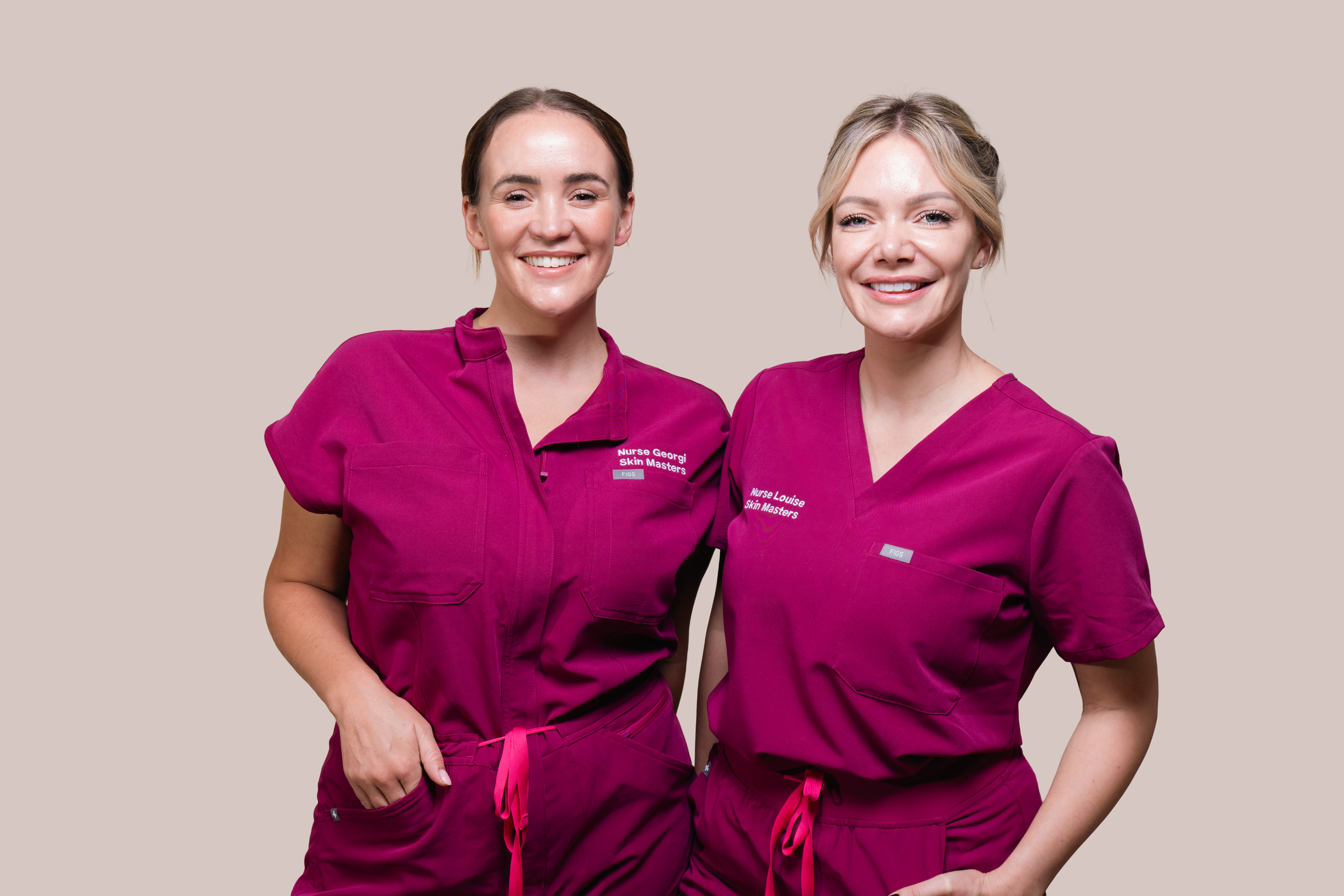
At Skin Masters, we focus on personalised training for qualified medical professionals. Our courses are designed to be practical, supportive and clinically focused, with plenty of time for hands-on experience and discussion throughout the day.
We know that many practitioners want more than just a certificate at the end of a course - they want to feel confident, supported and able to put what they’ve learned into practice safely. That’s why we keep our training groups small and focus on building confidence as well as teaching technique.
If you’re looking for aesthetics training near you and would like to find out more about our masterclasses, clinic shadowing or one-to-one practical courses, contact us today.



Comments